The Allure of Chance
The initial draw of casino gaming often lies in the thrill of chance. Gamblers are frequently captivated by the idea that they could win big with a single bet, which is a powerful motivator. This allure is deeply rooted in human psychology, as individuals naturally seek out experiences that provide a rush of excitement. The unpredictability of outcomes in games of chance fuels an adrenaline response, creating a cycle of engagement that can be hard to resist. Many players prefer methods like casino neosurf to enhance their gaming experience, reinforcing the appeal of gaming.
This excitement is not merely about the potential for financial gain; it also taps into deeper psychological desires. Gamblers frequently experience a heightened sense of anticipation as they wait for outcomes, which can lead to the release of dopamine—a neurotransmitter associated with pleasure and reward. This biochemical reaction reinforces the behavior, making the experience of gambling increasingly appealing and leading individuals to seek out that high repeatedly. The anticipation of a win, therefore, becomes a powerful driving force that keeps players returning to casinos.
Moreover, the environment within a casino is meticulously designed to enhance this feeling of allure. Bright lights, engaging sounds, and the vibrant atmosphere all contribute to creating an immersive experience. Casinos understand the psychology of their patrons and utilize these elements to maintain excitement and keep players engaged for longer periods. This sensory overload, paired with the unpredictable nature of games, fosters a compelling environment that encourages continual participation in gaming activities, further deepening the emotional connection players have with gambling.
The Role of Cognitive Biases
Cognitive biases significantly influence gambling behavior, often leading individuals to make irrational decisions. One prevalent bias is the illusion of control, wherein players believe they can influence the outcomes of random events, such as dice rolls or card draws. This false sense of agency can cause gamblers to overestimate their chances of winning, often leading them to gamble more than they initially intended. Such beliefs are typically reinforced through sporadic wins that seem to validate their perceived control, creating a cycle of overconfidence that encourages further gambling.
The gambler’s fallacy is another cognitive bias that plays a critical role in casino gaming. This phenomenon refers to the mistaken belief that past events can influence future outcomes in independent random events. For example, if a player observes that a particular number has not been hit in roulette, they may assume it is “due” to come up soon. Such thinking can lead players to neglect the true odds and make unfavorable betting decisions, perpetuating their gambling behaviors. Awareness of these biases is crucial for gamblers to navigate the gaming landscape more wisely.

Understanding these cognitive biases is crucial for both gamblers and those involved in the design of gaming experiences. By recognizing how these biases operate, casinos can create strategies to enhance their gaming offerings while also implementing responsible gaming measures. For gamblers, awareness of these biases can help mitigate their impact and promote more informed decision-making, ultimately leading to a healthier approach to gaming. Both players and operators can benefit from educational initiatives that highlight the importance of critical thinking in gambling contexts.
The Impact of Social Factors
The social environment plays a pivotal role in shaping gambling behaviors. Many individuals are drawn to casinos not only for the games themselves but also for the social interaction they provide. The communal atmosphere of gaming tables, shared excitement among players, and the presence of friends can enhance the overall experience. This social aspect reinforces the enjoyment of gambling and can lead to longer gaming sessions as players engage with one another. The camaraderie experienced in these settings can create lasting memories, thus increasing the likelihood of return visits.
Furthermore, social pressures can influence gambling patterns. For instance, individuals may feel compelled to participate in gambling activities to fit in with their peers or to avoid being perceived as an outsider. This can be particularly pronounced in group outings to casinos, where the thrill and excitement may prompt individuals to gamble beyond their means. The desire for acceptance and social validation can thus exacerbate risky gambling behaviors, making it essential for individuals to recognize the influence of their social circles on their gambling decisions.
Casinos often capitalize on these social dynamics by creating environments conducive to interaction. Lounges, bars, and themed events encourage players to socialize, enhancing their overall gaming experience. By fostering community, casinos can increase the length of time players spend gambling and encourage loyalty. Understanding the social factors at play in casino gaming helps stakeholders better cater to their audience and promote responsible gaming practices that consider the implications of social influence. This understanding can lead to better strategies for supporting players in making healthier choices.
Emotional Management and Gambling
Emotional responses are integral to the gambling experience. Players often gamble to escape from stress, anxiety, or negative emotions, seeking the exhilaration that games can provide. This coping mechanism can lead to a dangerous cycle, where individuals rely on gambling as a primary source of emotional relief, potentially leading to compulsive behaviors. Understanding the intersection of emotions and gambling is essential for both players and casino operators aiming to promote healthy gaming practices. The emotional highs associated with wins can be intoxicating, while losses can lead to feelings of despair.
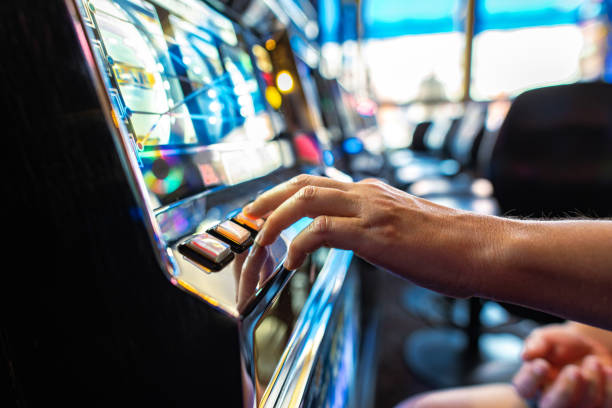
Moreover, emotional highs and lows are inherent in gambling, creating a rollercoaster experience. Winning can produce feelings of euphoria, while losing often results in frustration or disappointment. These fluctuating emotional states can drive players to continue gambling in the hopes of recapturing the earlier high, leading them to chase losses, a behavior that can exacerbate financial troubles. Recognizing this pattern is crucial for addressing the potential harms of gambling and promoting a more balanced emotional approach. Players must learn to manage their emotions to avoid falling into destructive gambling habits.
Education around emotional management in the context of gambling is vital. By raising awareness of the emotional triggers that can contribute to irresponsible gambling, individuals can develop healthier coping strategies. This knowledge empowers gamblers to acknowledge their feelings and make informed decisions, reducing the risk of gambling-related harm. For casinos, fostering an environment that supports emotional awareness can lead to more responsible gaming and a better experience for all patrons. Encouraging open conversations about emotions can create a safer space for players to share their experiences and seek help if needed.
Final Thoughts on Casino Gaming
Comprehending the psychology behind casino gaming is essential for both players and the industry. It provides insights into the motivations, influences, and emotional responses that drive individuals to engage in gambling activities. By understanding these dynamics, gamblers can approach their gaming habits with a more informed perspective, potentially mitigating the risks associated with excessive gambling. This understanding can lead to healthier gaming habits and a more enjoyable experience overall.
For casino operators, recognizing the psychological factors at play can inform the design of gaming environments and initiatives aimed at promoting responsible gaming. By creating spaces that accommodate social interaction and emotional well-being, casinos can enhance the overall experience while prioritizing player safety. The intersection of psychology and gaming is rich with potential for fostering both entertainment and responsibility. Implementing programs that educate players about the psychological aspects of gaming can be beneficial in promoting a responsible gaming culture.
Ultimately, informed engagement with casino gaming can lead to a healthier relationship with gambling. Through a comprehensive understanding of the psychological elements involved, both players and operators can contribute to a more sustainable gaming environment that respects individual experiences while promoting enjoyment and safety. This mutual understanding will not only enhance the enjoyment of gaming but also ensure that the industry remains responsible in its operations, creating a win-win scenario for everyone involved.