Category: Computers, Games

Computers, Games

  • How to Move Artwork and Antiques Without Damage

    Moving artwork and antiques requires careful planning and execution to ensure these valuable items arrive at their new destination without damage. Whether you’re relocating to a new home, sending pieces to a gallery, or storing them temporarily, https://losangelesmovinginsider.com following specific steps will help protect your cherished possessions.

    1. Preparation and Planning

    Before moving, assess each item you plan to transport. Identify the materials, size, and fragility of each piece. For artwork, consider whether it is framed or unframed, while antiques may vary in sensitivity based on their construction and age. Create a detailed inventory to document the condition of each item, including photographs, which can be invaluable for insurance purposes.

    2. Gathering Supplies

    Collect the necessary packing materials. High-quality, acid-free packing paper, bubble wrap, and sturdy boxes are essential for protecting artwork and antiques. For larger items, consider using custom crates or boxes designed for specific pieces. Additionally, packing tape, scissors, and markers will be useful for labeling boxes and securing items.

    3. Packing Artwork

    When packing artwork, start by laying it face down on a clean, flat surface. Place a layer of acid-free paper over the front of the piece to prevent scratches. For framed artwork, use corner protectors to shield the edges and then wrap the entire piece in bubble wrap. Secure the wrap with packing tape, ensuring it is snug but not too tight to avoid putting pressure on the frame. Finally, place the wrapped artwork in a sturdy box, filling any gaps with additional packing material to prevent movement during transport.

    4. Handling Antiques

    Antiques require special attention due to their delicate nature. For small items, wrap each piece individually in acid-free paper, followed by bubble wrap. For larger furniture pieces, disassemble as much as possible to make them easier to handle. Use blankets or moving pads to protect surfaces and corners from scratches. Secure drawers and doors with tape or rope to prevent them from opening during transit.

    5. Loading and Transporting

    When loading the moving vehicle, place artwork and antiques upright rather than stacking them. This position minimizes the risk of damage and allows for better weight distribution. Ensure that heavier items are placed on the bottom and lighter ones on top. Use straps to secure items in place, preventing shifting during transit.

    6. Unpacking and Setting Up

    Upon arrival at your new location, handle each piece with care. Unpack items in the same order they were loaded to keep track of their condition. Inspect each piece for any damage that may have occurred during the move, using your inventory for reference. Allow artwork and antiques to acclimate to their new environment before placing them in their final positions, especially if they have been exposed to different temperatures or humidity levels.

    Conclusion

    Moving artwork and antiques can be a daunting task, but with the right preparation and careful handling, you can ensure that these valuable items remain safe and intact. By following these steps, you can enjoy your collection in its new home without the worry of damage during the moving process.
  • How to Move Heavy Furniture into a High Rise Building

    Moving heavy furniture into a high-rise building can be a daunting task, but with the right planning and https://frontierhousingreport.com/ techniques, it can be accomplished efficiently and safely. This report outlines the key steps and considerations for successfully moving heavy items into an apartment or office located in a multi-story building.

    1. Planning and Preparation

    Before the actual move, thorough planning is essential. First, measure both the furniture and the elevator dimensions to ensure that the items can fit comfortably without obstruction. Additionally, assess the building’s moving policies, which may include specific hours for moving, elevator reservations, and the use of protective materials to prevent damage. Contact the building management to understand any restrictions or requirements.

    2. Assemble the Right Team

    Moving heavy furniture requires a team of capable individuals. Recruit friends, family, or hire professional movers who have experience in handling heavy items. Ensure that everyone involved understands their roles and the plan for moving the furniture. A coordinated effort will help prevent injuries and damage to the furniture or building.

    3. Gather Necessary Equipment

    Having the right equipment is crucial for a successful move. Essential tools include:

    • Dollies and Hand Trucks: These devices help transport heavy items with ease, reducing the physical strain on movers.
    • Furniture Sliders: Placing sliders under heavy furniture allows for easier movement across floors.
    • Straps and Tie-Downs: These help secure items during transport, preventing them from shifting or falling.
    • Blankets and Wraps: Protect your furniture from scratches and dents during the move.

    4. Utilize the Elevator

    If the building has an elevator, make use of it. Elevators designed for freight can accommodate larger items, but you may need to reserve it in advance. When loading the elevator, ensure that the furniture is positioned securely to avoid tipping or shifting during transit. If the elevator is too small, consider using the stairs, but only if it is safe and feasible to do so.

    5. Moving Techniques

    When lifting heavy furniture, always use proper techniques to avoid injury. Here are some tips:

    • Lift with Your Legs: Bend at the knees and keep your back straight to lift heavy items, using the strength of your legs rather than your back.
    • Keep the Load Close: Hold the furniture as close to your body as possible to maintain balance and reduce strain.
    • Communicate: Use clear signals with your team to coordinate movements, especially when navigating tight spaces or corners.

    6. Protecting the Building

    While moving, it’s important to protect the building’s walls, floors, and elevator interiors. Use blankets or padding to cover surfaces that may come into contact with furniture. Be mindful of door frames and corners to prevent damage.

    7. Final Setup

    Once the furniture is inside, position it according to your plan. Ensure that it is stable and secure in its new location. Take a moment to check for any damage that may have occurred during the move and address it promptly.

    In conclusion, moving heavy furniture into a high-rise building requires careful planning, the right equipment, and a coordinated team effort. By following these guidelines, you can ensure a smooth and successful moving experience, minimizing stress and maximizing efficiency.

  • How to Choose a Reliable Moving Company Online

    Choosing a reliable moving company online can be a daunting task, https://relocationtimess.com especially with the plethora of options available. To ensure a smooth and stress-free moving experience, it is essential to conduct thorough research and make informed decisions. Here are some key steps to guide you in selecting a trustworthy moving company.

    1. Start with Research:

    Begin your search by gathering a list of potential moving companies. Utilize online search engines, social media, and moving company directories. Websites like Yelp, Angie’s List, and the Better Business Bureau (BBB) can provide valuable insights and customer reviews. Compile a list of at least five to ten companies to compare.

    2. Check Credentials:

    Once you have a list, verify that each company is licensed and insured. In the United States, interstate movers must be registered with the Federal Motor Carrier Safety Administration (FMCSA). You can check their license number on the FMCSA website. For local moves, ensure that the company has the necessary state licenses. Insurance is crucial; it protects your belongings during the move.

    3. Read Reviews and Testimonials:

    Customer reviews can provide a wealth of information about a company’s reliability and service quality. Look for patterns in feedback—frequent complaints about delays or damaged items should raise red flags. Pay attention to the company’s response to negative reviews, as this can indicate their customer service approach.

    4. Request Estimates:

    Contact your shortlisted companies to request estimates. Reputable movers typically offer free, no-obligation quotes. Be wary of companies that provide estimates over the phone without an in-home assessment. There are two types of estimates: binding and non-binding. A binding estimate guarantees the price, while a non-binding estimate may change based on the actual weight of your belongings.

    5. Ask About Services Offered:

    Different moving companies offer various services. Determine what services you need—packing, storage, or specialty item handling—and ensure the company you choose can accommodate those needs. Some companies may also offer additional services, such as unpacking or cleaning, which can be beneficial.

    6. Evaluate Customer Service:

    A reliable moving company should have excellent customer service. Pay attention to how promptly and courteously they respond to your inquiries. A company that is difficult to communicate with may cause issues during the moving process.

    7. Compare Pricing:

    While price should not be the sole factor in your decision, it is essential to compare the estimates you receive. Be cautious of significantly lower bids, as they may indicate subpar service or hidden fees. Look for transparency in pricing and ensure you understand what is included in the quote.

    8. Trust Your Instincts:

    Finally, trust your instincts. If something feels off about a company, whether it’s their communication style or the way they handle your inquiries, it’s okay to look elsewhere. Choose a company that makes you feel comfortable and confident in their ability to handle your move.

    In conclusion, selecting a reliable moving company online requires careful consideration and research. By following these steps, you can make an informed decision that will lead to a successful and stress-free moving experience.

  • How to Update Your Vehicle Registration and License After Moving

    Moving to a new state or even a different address within the same state can be an exciting yet challenging experience. One of the essential tasks that follow a move is updating your vehicle registration and bestusamoverss.com driver’s license. This report outlines the steps you need to take to ensure your vehicle and license are compliant with state regulations after relocating.

    Step 1: Research State Requirements

    The first step in updating your vehicle registration and license is to familiarize yourself with the regulations of your new state. Each state has its own Department of Motor Vehicles (DMV) or equivalent agency that sets specific guidelines for registration and licensing. Visit the official website of your new state’s DMV to gather information on the necessary documents, fees, and deadlines for updating your registration and license.

    Step 2: Gather Necessary Documents

    Before heading to the DMV, ensure you have all the required documents. Commonly required documents include:

    • Proof of identity (e.g., passport, birth certificate)
    • Proof of residency (e.g., utility bill, lease agreement)
    • Current vehicle registration
    • Title of the vehicle
    • Proof of insurance
    • Social Security number (if applicable)

    Having these documents ready will streamline the process and help avoid any delays.

    Step 3: Update Your Vehicle Registration

    Once you have gathered the necessary documents, you can proceed to update your vehicle registration. Most states allow you to do this online, by mail, or in person. If you choose to register online, visit the DMV website and follow the prompts to complete your registration. If you opt for in-person registration, locate your nearest DMV office and schedule an appointment if necessary. During registration, you may need to pay a fee, which varies by state.

    Step 4: Obtain a New Driver’s License

    After updating your vehicle registration, the next step is to obtain a new driver’s license. You may be required to surrender your old license when applying for a new one. Depending on the state, you might need to take a vision test or even a written test, especially if your previous license has expired. Again, you can often complete this process online, by mail, or in person. Check the DMV website for specific instructions regarding the application process, fees, and any testing requirements.

    Step 5: Check for Additional Requirements

    Some states have additional requirements that must be fulfilled after a move. For instance, you may need to update your vehicle’s title or undergo a vehicle inspection. Ensure you check the specific regulations in your state to avoid any penalties or fines.

    Step 6: Notify Your Insurance Company

    Once your vehicle registration and license have been updated, it’s crucial to inform your auto insurance company about your move. Changes in location can affect your insurance rates, and your insurer will need your new address to provide accurate coverage.

    Conclusion

    Updating your vehicle registration and driver’s license after moving is a vital step in ensuring compliance with state laws. By researching state requirements, gathering necessary documents, and following the appropriate procedures, you can make the transition smooth and hassle-free. Remember to stay informed about any additional requirements specific to your new state to avoid any complications down the line.

  • Правильное использование турнікета и его значение для безопасности

    Для достижения максимальной безопасности при организации контроля доступа следует установить ограничительные механизмы на входах и выходах. Расположение таких устройств не должно создавать затруднений для пользователей, https://eu-apteka.com.ua/ однако должно обеспечить высокую степень защищенности.

    Существует несколько аспектов, которые необходимо учесть: высота конструкции, способ активации и жесткость ее работы. Оптимально, чтобы такие устройства открывались мгновенно после регистрации прохода, что снизит вероятность создания очередей и задержек.

    Необходимо также обращать внимание на материал и конструкцию. Металлические модели более долговечны, но необходимо выбрать подходящий уровень прочности в зависимости от предполагаемой нагрузки. Кроме того, регулярное техническое обслуживание позволит предотвратить возможные неисправности и обеспечит надлежащую работу механизма.

    Обучение персонала для работы с ограничительными устройствами имеет большое значение. Сотрудники должны быть готовы реагировать на нештатные ситуации и быть осведомлены о принципах функционирования, что возможно добиться через регулярные тренинги и инструктажи.

    Турникет в экстренных ситуациях: инструкции по применению

    При возникновении обильного кровотечения, прежде всего, необходимо оценить ситуацию и действовать быстро. Если рана находится на конечности, поднимите ее выше уровня сердца, чтобы уменьшить приток крови. Затяните жгут на 5-7 см выше раны, при этом старайтесь не помещать его на суставы. Убедитесь, что он плотно фиксируется, но не вызывает значительного дискомфорта. Запишите время наложения, это поможет медицинским работникам понять, как долго применялось давление.

    Если доступ к турникету затруднен, используйте любые подручные средства, такие как ремень или ткань, для создания жгута. Никогда не удаляйте жгут до прибытия специалистов, даже если кажется, что кровь остановилась. Проверьте конечность на наличие пульса, и в случае его отсутствия повторно проверьте натяжение жгута. Основная цель – сохранить жизнь, поэтому оставайтесь спокойными и действуйте хладнокровно.

    Анализ разных типов турникетов и их особенности

    Различные конструкции, представленные на рынке, обеспечивают различные уровни контроля доступа. Среди них выделяются вращающиеся, репетитивные и электронные системы. Вращающиеся варианты предлагают механическую блокировку доступа и часто используются в учреждениях с высоким потоком людей. Репетитивные виды обеспечивают постоянный контроль, позволяя проходить только после правильной идентификации. Электронные системы интегрируются с другими технологиями для обеспечения максимального уровня безопасности.

    Вращающиеся конструкции

    Вращающиеся модели востребованы благодаря своей простоте и надежности. Подходят для стационарного использования, такие устройства зачастую имеют возможность блокировки прохода в разных направлениях. Они могут быть выполнены как в открытом, так и закрытом варианте. Рекомендуются для объектов с низкими рисками, поскольку не обеспечивают высокотехнологичных функций контроля.

    Электронные системы

    Электронные решения интегрируются с системами доступа, такими как карты или биометрия. Они обеспечивают точный учет проходящих и высокий уровень безопасности. Такие аппараты часто программируемы, а значит, могут быть адаптированы под специфические потребности организации. Однако важно уделять внимание техническому обслуживанию оборудования, чтобы избежать сбоев в работе.

    Репетитивные конструкции чаще используют в местах с низким уровнем нагрузки. Их настоящим преимуществом является простота в интеграции с другими системами контроля. Модели могут быть как механического, так и электронного типа, что делает их универсальными. Важно учитывать объем потоков людей и потребности в контроле для выбора правильного устройства.

  • Filling in the Account Form: Fields That Matter Most

    In today’s digital age, account forms are ubiquitous. From online shopping to social media platforms, more information virtually every service requires users to fill out some form of account information. However, not all fields in these forms hold equal importance. Understanding which fields matter most can enhance user experience, improve data quality, and ultimately lead to higher conversion rates. This report delves into the critical fields in account forms, their significance, and best practices for optimizing them.

    1. User Identification Fields

    The first set of fields that matter most in an account form are those related to user identification. These typically include:

    • Name: This field often consists of first and last name inputs. Collecting a user’s name is essential for personalizing communication and creating a welcoming environment. It also helps in building trust, as users feel more valued when addressed by their names.
    • Email Address: The email address is arguably the most critical piece of information in an account form. It serves as the primary mode of communication between the service provider and the user. A valid email is necessary for account verification, password recovery, and sending updates or promotional materials. It’s imperative to validate the email format and provide users with feedback if their input is incorrect.
    • Username: While not always mandatory, a username can enhance the user experience by allowing for personalized interactions on platforms that involve social features. It is important to ensure that usernames are unique and to provide users with suggestions if their preferred choice is already taken.

    2. Security Fields

    Security is a paramount concern in account creation, making security fields crucial in account forms:

    • Password: This field is essential for protecting user accounts. Best practices include enforcing minimum password length, requiring a mix of characters, and providing guidance on creating strong passwords. Additionally, offering a password strength meter can encourage users to create more secure passwords.
    • Security Questions: While not as commonly used as they once were, security questions can add an additional layer of protection. However, they should be carefully selected to ensure they cannot be easily guessed or researched.
    • Two-Factor Authentication (2FA): Although not a field in the traditional sense, incorporating 2FA as part of the account creation process can significantly enhance security. Users should be encouraged to enable 2FA using methods such as SMS codes or authentication apps.

    3. Contact Information Fields

    In addition to identification fields, contact information is critical for effective communication:

    • Phone Number: Collecting a phone number can be beneficial for services that require immediate communication, such as delivery notifications or customer support. However, it should be optional, as many users may be hesitant to provide this information due to privacy concerns.
    • Address: For e-commerce platforms, collecting the user’s shipping address is vital for processing orders. It is essential to ensure that the address field is user-friendly, with auto-complete features and clear formatting guidelines to minimize errors.

    4. Demographic Information Fields

    While optional, demographic fields can provide valuable insights for businesses:

    • Date of Birth: This field can be useful for age verification and tailoring marketing strategies. However, it should be optional to avoid deterring users who may not wish to disclose personal information.
    • Gender: Similar to date of birth, this field can help businesses understand their audience better. It should also be optional and include a “prefer not to say” option to respect user privacy.

    5. Preferences and Interests Fields

    Understanding user preferences can enhance engagement and satisfaction:

    • Interests: Allowing users to select their interests can help tailor content, recommendations, and marketing efforts. This field should be presented in a way that encourages users to select multiple options without feeling overwhelmed.
    • Communication Preferences: Users should have the option to specify how they wish to be contacted (e.g., email, SMS, push notifications). Providing these options can lead to a more personalized experience and higher engagement rates.

    6. Consent and Agreement Fields

    In today’s data-driven world, obtaining user consent is crucial:

    • Terms and Conditions Agreement: Users should be required to agree to the terms and conditions of the service. This field should not be pre-checked, as doing so can lead to legal issues. Instead, users should actively check the box to indicate their agreement.
    • Privacy Policy Acknowledgment: Similarly, users should acknowledge that they have read and understood the privacy policy. This builds trust and transparency, ensuring users are aware of how their data will be used.

    Best Practices for Optimizing Account Forms

    1. Keep It Simple: The fewer fields a user has to fill out, the better. Avoid unnecessary fields to reduce friction in the account creation process.
    2. Use Progressive Disclosure: Instead of overwhelming users with all fields at once, consider using progressive disclosure techniques. Start with essential fields and gradually ask for more information as users engage with the platform.
    3. Provide Real-Time Validation: As users fill out fields, provide real-time validation feedback. This helps users correct errors immediately, reducing frustration and improving the likelihood of completing the form.
    4. Make It Mobile-Friendly: With an increasing number of users accessing services via mobile devices, ensure that account forms are optimized for mobile. This includes responsive design and touch-friendly input fields.
    5. Test and Iterate: Regularly test account forms to identify pain points and areas for improvement. A/B testing different field arrangements, labels, and designs can provide valuable insights into what works best for your audience.

    Conclusion

    Filling in an account form is often the first interaction a user has with a service or platform. By focusing on the fields that matter most—such as user identification, security, contact information, demographic insights, preferences, and consent—businesses can create a more efficient and user-friendly account creation process. Implementing best practices not only enhances user experience but also helps in building trust and fostering long-term relationships with users. As the digital landscape continues to evolve, prioritizing the right fields in account forms will remain a critical factor in achieving success.

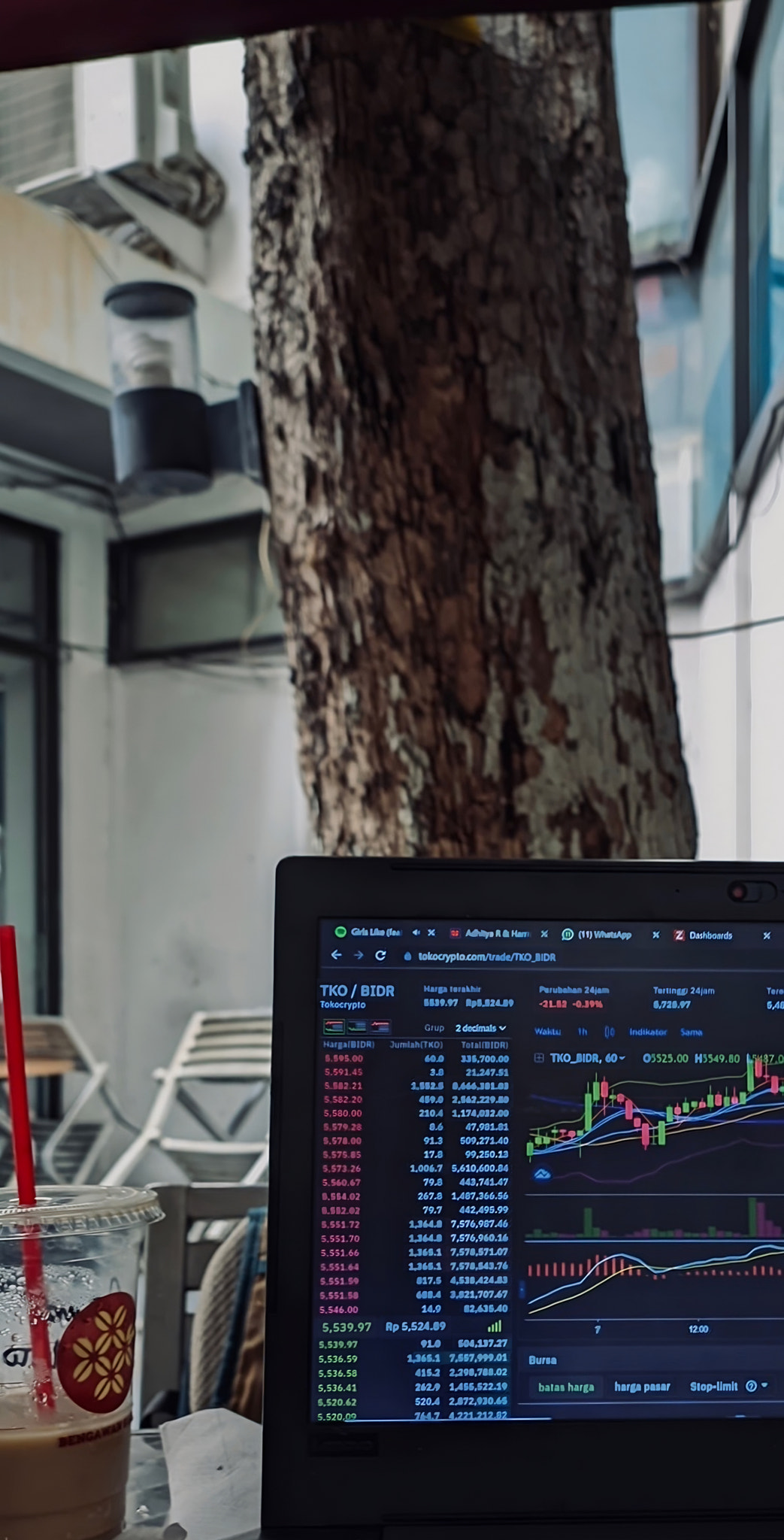
    Trading crypto on cafe to enjoying

  • Андрій Хливнюк та його вплив на розвиток української музики

    Слухачі різних поколінь обходять увагою лише тих артистів, 911mobi.com.ua які здатні змінити уявлення про музику. Митець, чия діяльність відзначена глибокими текстами та потужною емоційною експресією, став не просто популярним виконавцем, але й символом нових течій у мистецтві звуку. Завдяки своїй унікальній манері виконання він відроджує класичні мотиви, гармонійно комбінуючи їх із сучасними ритмами.

    Творчість виконавця має значний вплив на молодих артистів, які запозичують ідеї та зразки з його музичних робіт. Записи, створені з використанням інноваційних технологій, поєднують в собі традиційні елементи, утворюючи неповторний стиль. Характерні для нього мелодії стають основою для багатьох сучасних хітів, вплітаючи у них елементи української культури.

    Мистецьке середовище завдяки такій особистості сповнене нових інтерпретацій та свіжих ідей, що призводить до появи нових жанрів і напрямків. Вплив репертуару відчувається не лише у сфері популярної музики, але й у рок-, поп- і навіть електронних течіях. Його строки, сповнені глибокими думками, резонирують у серцях слухачів, створюючи справжню магію звукового спілкування.

    Внесок у розвиток української рок-музики

    Стильові експерименти, які стала основою культури рок-напряму, багато в чому зумовлені творчими рішеннями, реалізованими особистістю, що виділяється в українському співочому середовищі. Пісні, створені цим митцем, поширюють не лише мелодії, а й ідеї, що торкаються сердець слухачів, що підсилює їхню значущість у культурному просторі.

    Важливим аспектом є активна соціальна позиція автора. Багато текстів адресують актуальні теми, формаційно впливаючи на підліткову та молодіжну аудиторію. Приділення уваги соціальним повідомленням, ненав’язливий підхід до їх донесення робить музику зрозумілою та близькою до широкого загалу.

    Унікальність звучання пов’язана з поєднанням традиційних українських мотивів та сучасних рок-компонентів. Це дозволяє знаходити нові формати та привертати увагу слухачів, а також активно взаємодіяти з репертуаром інших жанрів, створюючи нові комбінації композицій. Саме експерименти звучання стали запорукою тривалого успіху.

    Професійна діяльність поєднує в собі не лише створення музичних творів, а й активну участь у культурних заходах, що сприяє популяризації українських артистів. Виступи на великих фестивалях та майданчиках надають змогу показати не лише власну творчість, але й підтримувати молодих виконавців, відкриваючи нові горизонти для українського рок-мистецтва.

    Наявність яскравого сценічного образу, що поєднує в собі емоційну відвертість, дозволяє встановлювати тісний зв’язок з публікою. Творче вираження стає об’єднуючим фактором, який зумовлює розвиток близьких спільнот шанувальників. Саме завдяки цьому характеру, рок-музика в Україні отримує нові можливості для зростання та впровадження інновацій.

  • How to Move Heavy Appliances Safely and Efficiently

    Moving heavy appliances can be a daunting task, but with the right techniques and tools, hawaiimovinginsider.com it can be done safely and efficiently. Whether you are relocating your refrigerator, washing machine, or dryer, following these guidelines will help ensure that both you and your appliances remain unharmed during the process.

    1. Plan Ahead: Before attempting to move any heavy appliance, it’s essential to plan the process. Measure doorways, hallways, and the space where the appliance will be placed to ensure it fits. Consider the path you will take and remove any obstacles that could hinder the movement. It’s also wise to check if there are any stairs involved, as this will require additional precautions.

    2. Gather the Right Tools: Equip yourself with the necessary tools to make the move easier. Essential items include a dolly or hand truck, moving straps, furniture sliders, and blankets. The dolly will help you lift and transport the appliance, while moving straps can assist in securing it to the dolly. Furniture sliders can protect your floors and make it easier to slide the appliance across surfaces.

    3. Prepare the Appliance: Before moving, ensure that the appliance is properly prepared. For refrigerators, unplug it and allow it to defrost if necessary. Secure any loose parts, such as shelves or drawers, and tape them in place to prevent damage. For washing machines and dryers, disconnect hoses and power cords, and secure the drum to prevent movement during transport.

    4. Use Proper Lifting Techniques: When lifting heavy appliances, it’s crucial to use proper body mechanics to avoid injury. Stand close to the appliance with your feet shoulder-width apart. Bend at your knees, not your waist, and keep your back straight. Grip the appliance firmly and lift with your legs, not your back. If the appliance is too heavy to lift alone, enlist the help of a friend or family member.

    5. Utilize a Dolly: For larger appliances, a dolly is invaluable. Tilt the appliance back onto the dolly and secure it with moving straps. Make sure the appliance is balanced and stable before moving. When navigating through doorways or up stairs, take your time and communicate with your partner to coordinate movements effectively.

    6. Protect Your Floors and Walls: Use blankets or padding to protect your floors and walls from scratches and dents during the move. If you’re sliding the appliance, furniture sliders can be placed under the corners to make it easier. Take care when maneuvering around corners and doorways to avoid damaging both the appliance and your home.

    7. Reinstall Safely: Once you’ve moved the appliance to its new location, carefully position it in place. For refrigerators, allow it to settle before plugging it back in. Reconnect hoses and power cords for washers and dryers, ensuring everything is secure and leak-free.

    In conclusion, moving heavy appliances requires careful planning, the right tools, and proper techniques. By following these steps, you can ensure a safe and efficient move, protecting both yourself and your valuable appliances from damage. Always remember to prioritize safety and don’t hesitate to ask for help when needed.

  • Moving Artwork and Antiques Without Damage

    Moving artwork and antiques requires meticulous planning and https://jacksonvillemovingnews.com/ execution to ensure these valuable items are transported safely without damage. Whether you are relocating to a new home, storing items, or exhibiting them in a gallery, understanding the proper techniques and precautions can significantly reduce the risk of harm.

    1. Preparation and Inventory

    Before moving any artwork or antiques, it is essential to create a detailed inventory of all items. This list should include photographs, descriptions, dimensions, and any existing damage. This documentation serves multiple purposes: it helps in tracking items during the move, provides a reference for insurance purposes, and assists in determining the appropriate packing materials needed.

    2. Appropriate Packing Materials

    Selecting the right packing materials is crucial for protecting artwork and antiques. High-quality packing supplies should include:

    • Bubble Wrap: Ideal for cushioning fragile items, bubble wrap provides a protective layer against impacts.
    • Acid-Free Tissue Paper: For wrapping delicate surfaces, acid-free tissue prevents chemical reactions that can cause deterioration.
    • Cardboard Boxes: Sturdy boxes should be used to house the items, ensuring they are appropriately sized to minimize movement during transport.
    • Packing Peanuts or Foam: These materials can be used to fill empty spaces in boxes to prevent shifting.

    3. Packing Techniques

    When packing artwork, it is essential to handle each piece with care. For framed artwork, consider removing the glass to prevent shattering. Wrap the frame in bubble wrap, securing it with tape, and place it vertically in a box. For larger pieces, such as canvas paintings, wrap them in foam or bubble wrap and place them between two pieces of cardboard for added protection.

    Antiques require special attention, as they may be more susceptible to damage. When packing furniture, disassemble any removable parts, such as legs or shelves, and wrap them separately. Use blankets or moving pads to cover larger items, securing them with straps to prevent movement.

    4. Transportation Considerations

    When transporting valuables, choose a reputable moving company experienced in handling artwork and antiques. Ensure that the vehicle is climate-controlled, as extreme temperatures and humidity can damage sensitive materials.

    During transit, avoid stacking heavy items on top of artwork or antiques. Secure all boxes to prevent shifting, and if possible, keep fragile items in a separate area of the vehicle.

    5. Unpacking and Display

    Upon arrival at the destination, unpack items carefully, following the reverse order of packing. Inspect each piece for any potential damage that may have occurred during transit. For artwork, consider hanging them in a stable environment, away from direct sunlight and moisture. Antiques should be placed on stable surfaces to avoid tipping or falling.

    Conclusion

    Moving artwork and antiques without damage is a meticulous process that requires careful planning, the right materials, and appropriate techniques. By following these guidelines, individuals can ensure that their cherished items arrive at their new location safely and in pristine condition, preserving their beauty and value for years to come.

  • The Future of American Manufacturing: Trends and Predictions

    The landscape of American manufacturing is poised for significant transformation in the coming years, https://urbaneconomynews.com/ driven by technological advancements, shifting economic dynamics, and evolving consumer preferences. This report explores key trends and predictions that are likely to shape the future of manufacturing in the United States.

    One of the most significant trends is the increasing integration of automation and artificial intelligence (AI) within manufacturing processes. Robotics and AI technologies are becoming more sophisticated, enabling manufacturers to enhance efficiency and reduce production costs. The use of smart machines that can learn from their environment and adapt to changes will likely lead to increased productivity and a reduction in human error. This shift towards automation will not only streamline operations but also create a demand for a new workforce skilled in managing and maintaining these advanced technologies.

    Another critical trend is the rise of additive manufacturing, commonly known as 3D printing. This technology allows for the rapid prototyping and production of complex parts with minimal waste. As 3D printing becomes more accessible and affordable, it is expected to revolutionize supply chains by enabling on-demand production and reducing the need for large inventories. This shift could lead to localized manufacturing, where products are made closer to the point of consumption, thus reducing transportation costs and environmental impact.

    Sustainability is also becoming a central focus in American manufacturing. As consumers increasingly demand environmentally friendly products, manufacturers are being pushed to adopt sustainable practices. This includes utilizing renewable energy sources, reducing waste through circular economy principles, and sourcing materials responsibly. Companies that prioritize sustainability are likely to gain a competitive edge in the market, as consumers are more inclined to support brands that align with their values.

    The ongoing reshoring trend, where companies are moving manufacturing operations back to the United States from overseas, is another significant development. Factors such as rising labor costs abroad, supply chain disruptions highlighted by the COVID-19 pandemic, and a growing emphasis on national security are driving this trend. As companies seek to mitigate risks and enhance their resilience, reshoring is expected to create new job opportunities and strengthen the domestic manufacturing sector.

    Moreover, the manufacturing workforce is undergoing a transformation. The skills required in the industry are evolving, necessitating a focus on education and training. Partnerships between educational institutions and manufacturers are becoming essential to ensure that the future workforce is equipped with the necessary skills to thrive in a technologically advanced environment. Emphasis on STEM education and vocational training programs will play a crucial role in preparing workers for the jobs of tomorrow.

    In conclusion, the future of American manufacturing is set to be characterized by technological innovation, sustainability, and a focus on workforce development. As the industry adapts to these trends, it will likely lead to increased competitiveness on a global scale. Manufacturers that embrace these changes and invest in new technologies, sustainable practices, and skilled labor will be well-positioned to thrive in the evolving landscape of American manufacturing. The next decade will be pivotal in shaping the future of this vital sector, with implications for the economy, employment, and the environment.